WCS Actor’s Studio · Fall 2026

Imagination is resistance.

Now Enrolling: The Bernard Shaw Scene Lab

This is a laboratory to train your instrument, heart, mind, body, and soul, and to align with artists who commit to the idea of ensemble.

Join us. Train the human. Not AI.
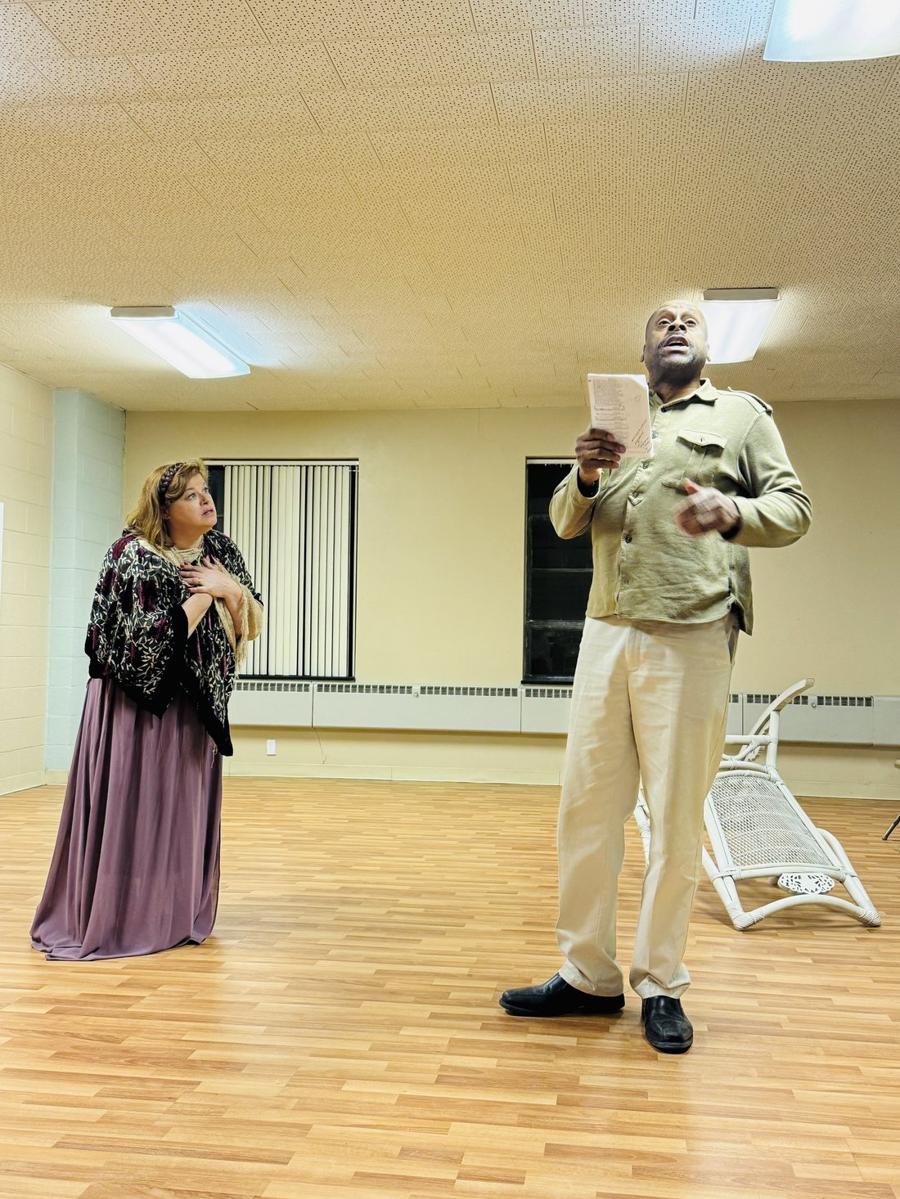
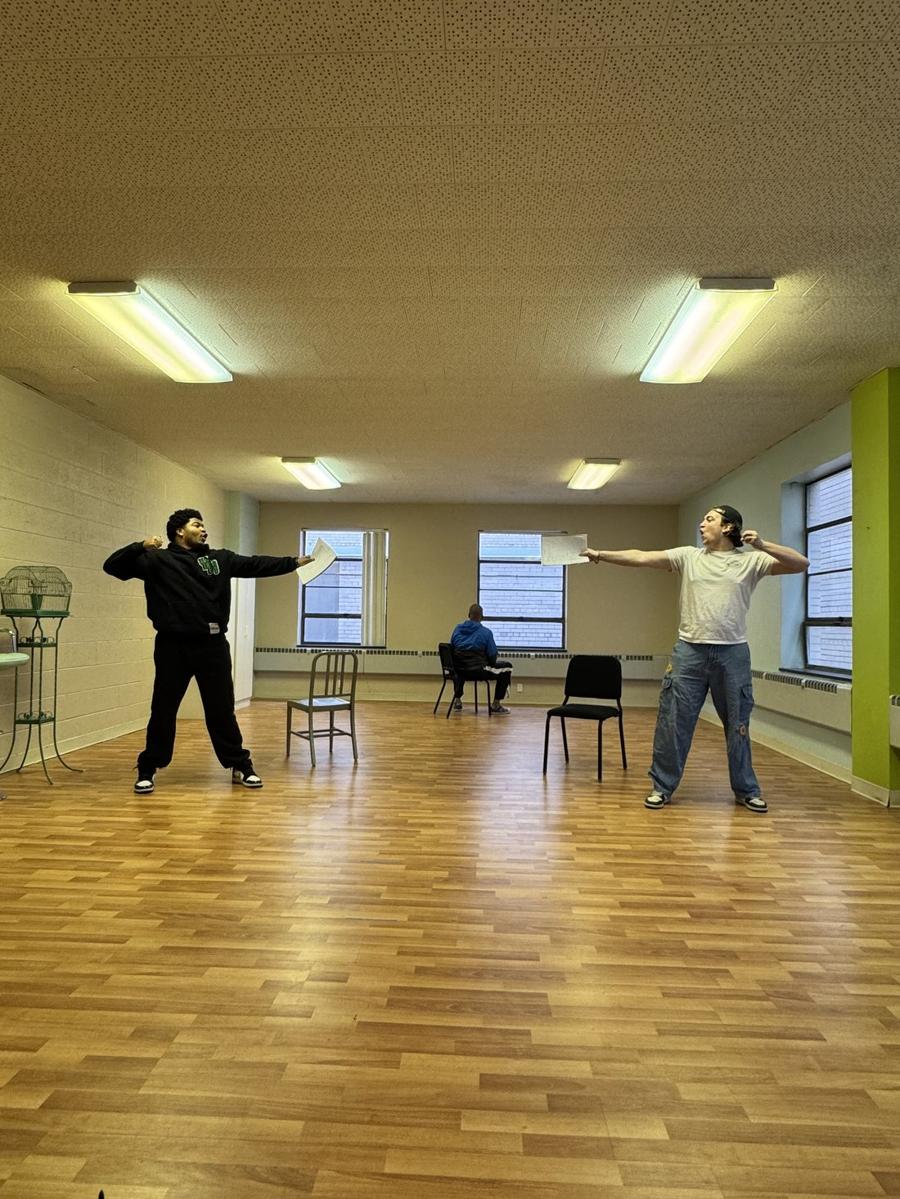
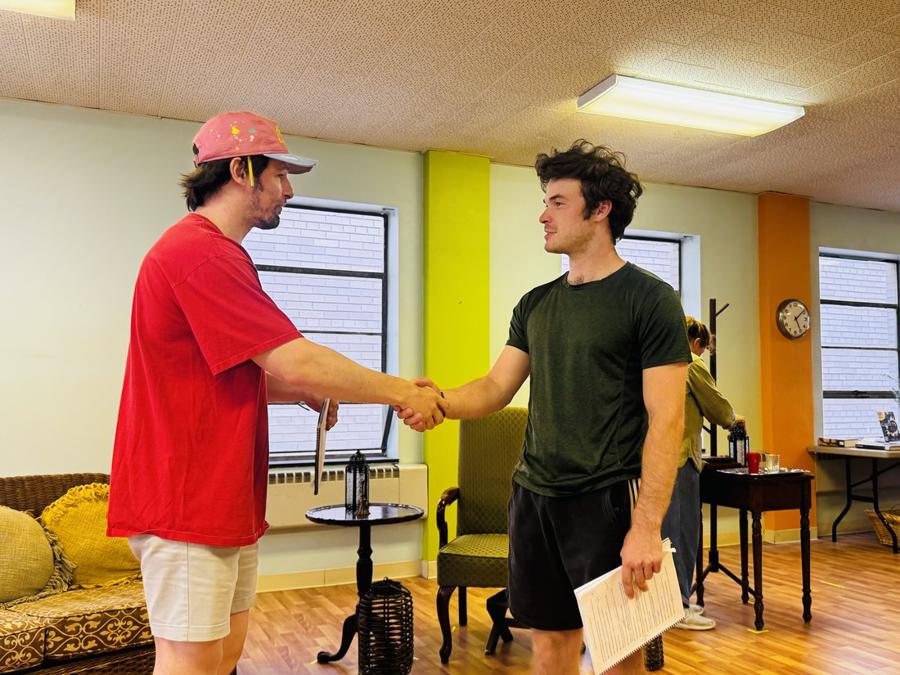
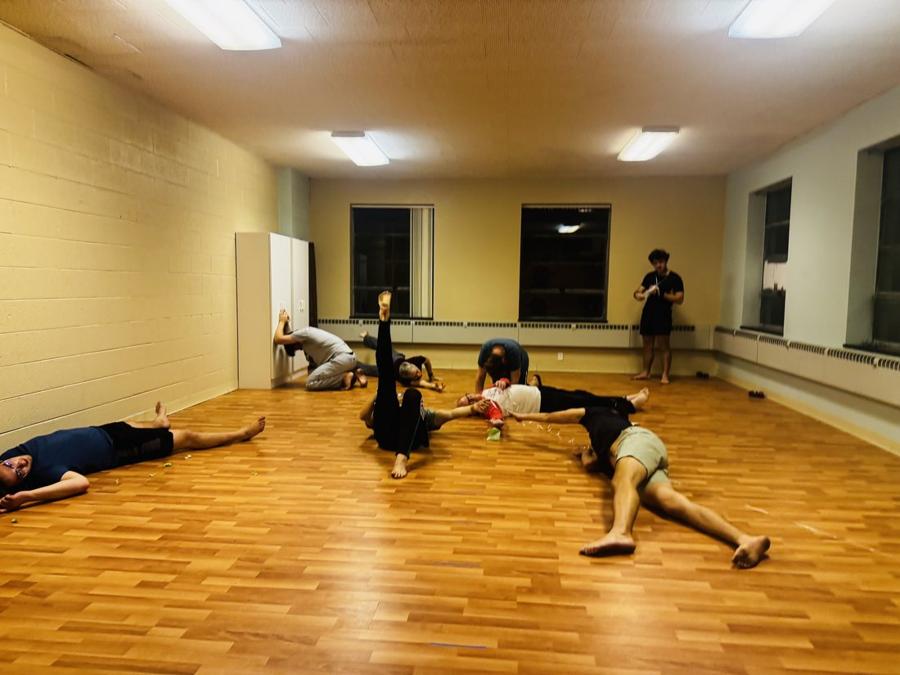
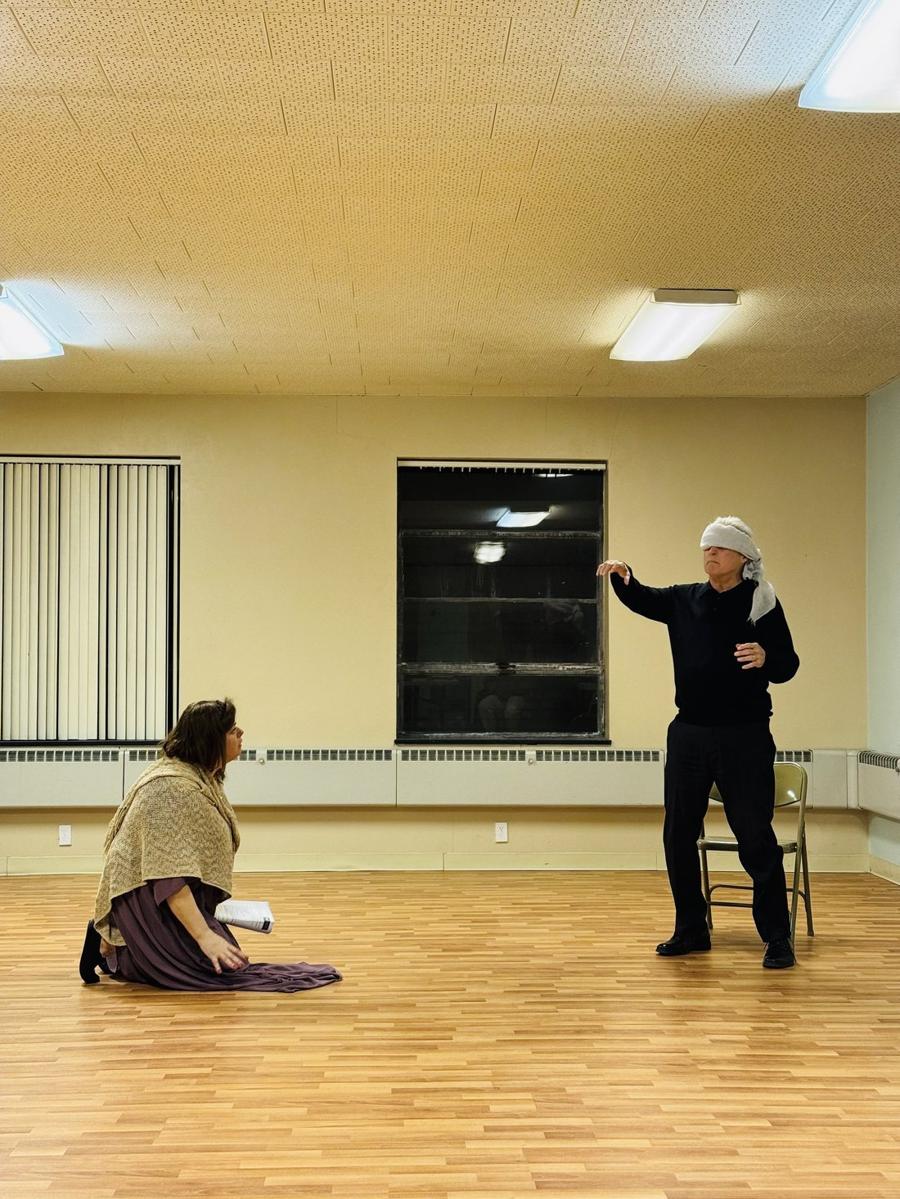
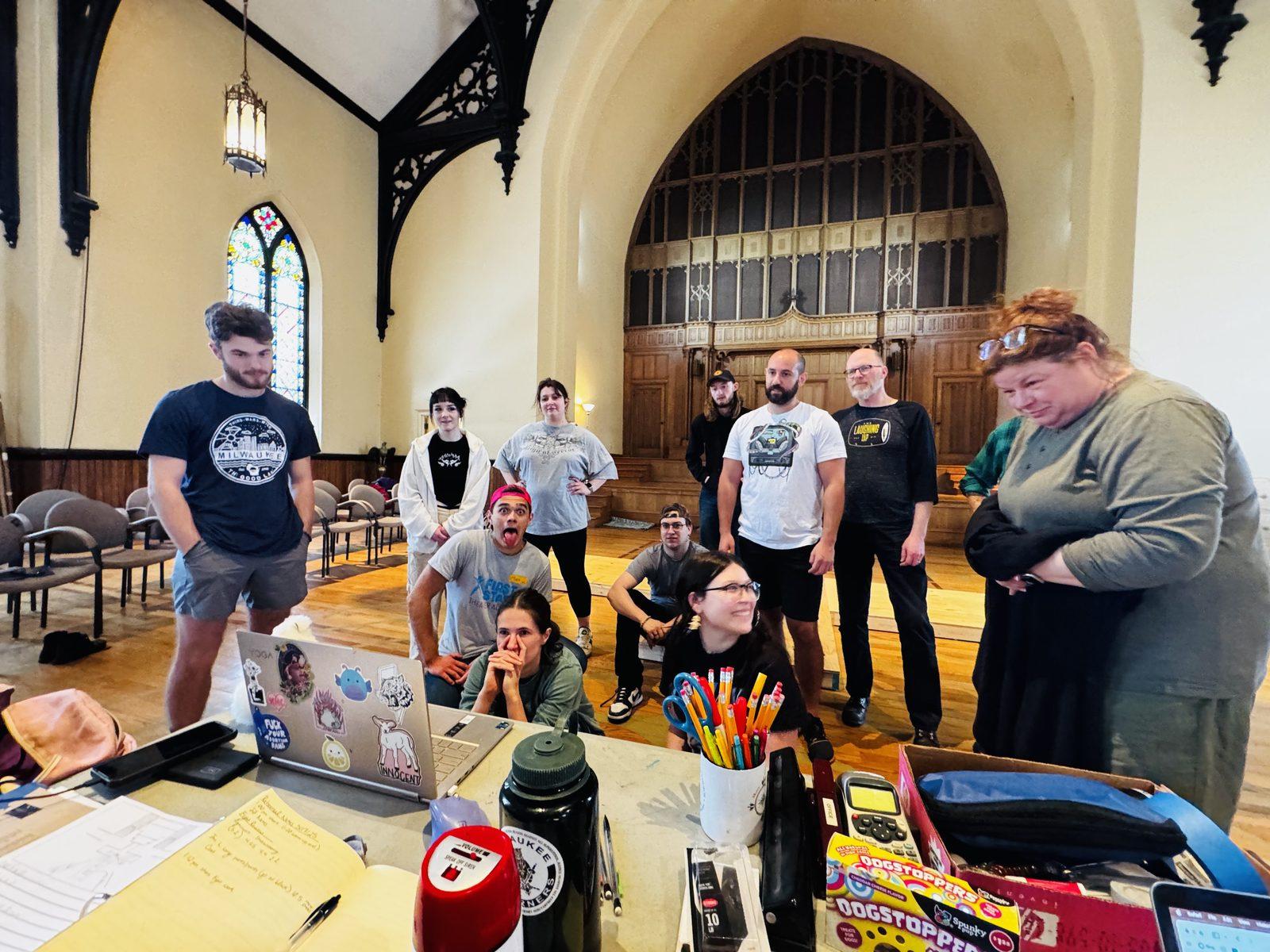
The WCS ensemble gathered in rehearsal at Calvary Presbyterian Church

The company of Henry V (2025), in rehearsal

Now enrolling this fall

The WCS Actor’s Studio fall term

Wisconsin Classic Stage trains actors the way a musician trains an instrument: daily, physically, together. Our September classes are complete, and registration is now open for a five‑week scene lab built around George Bernard Shaw. And there’s more to come in 2027.

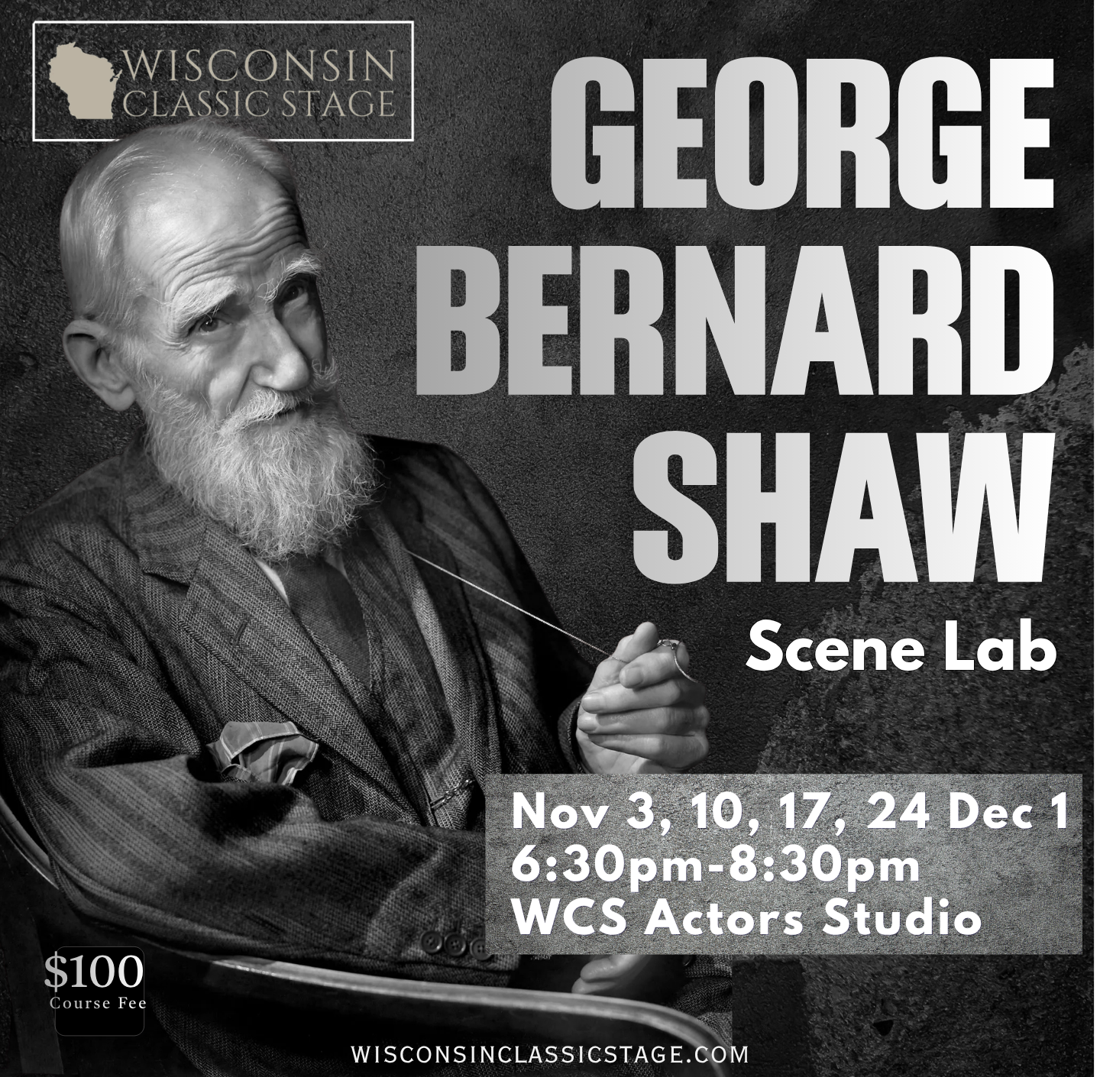
George Bernard Shaw Scene Lab flyer — November 3, 10, 17, 24 and December 1, 6:30 to 8:30pm, WCS Actors Studio, $100 course fee
$100 course fee Reserve Your Spot →
Now Enrolling · Five-Week Scene Lab

Bernard Shaw Scene Lab

Rhetoric, Wit & the Joy of Language

WhenNov 3, 10, 17, 24 & Dec 1
Time6:30 – 8:30 PM
WhereWCS Actor’s Studio
Fee$100 course fee

George Bernard Shaw gives actors something extraordinary: the opportunity to experience intelligence as theatrical pleasure. His characters argue, seduce, provoke, contradict, maneuver, and delight in the sheer pleasure of trying to change another person’s mind. Beneath the elegance of Shaw’s language is an actor’s playground, where thought has velocity, language has consequence, and a brilliantly turned phrase can change the temperature of an entire room.

Rhetoric, Wit & the Joy of Language places the actor inside that world. Working from selected Shaw scenes, Josh Pohja leads actors through the architecture of rhetoric and the discovery of how language becomes action: how an argument shifts, how a question can become an attack, how a joke can establish power, and how a carefully constructed sentence can remain completely spontaneous in performance.

Rather than treating rhetoric as an academic exercise, we approach it as a source of freedom: actors investigate syntax, punctuation, breath, rhythm, articulation, timing, status, interruption, and persuasion while asking the essential theatrical question: what am I trying to make happen to the other person?

  • Rhetorical fluencyTurn argument, irony, persuasion, reversal, and contradiction into playable action.
  • Vocal & verbal commandGreater ease, clarity, musicality, and pleasure with complex language.
  • Comic intelligenceTiming, status, surprise, escalation, restraint: the joy of intelligent comedy.
  • Dynamic listeningLet your scene partner’s thoughts genuinely change your own.
  • Freedom with heightened textThe confidence to make sophisticated language feel immediate and alive.

That is the pleasure of Shaw, and the pleasure of classical actor training at Wisconsin Classic Stage: rigor in the service of freedom, intelligence in the service of play. Come think. Come argue. Come laugh. Come play with the language.
Led by Josh Pohja, Executive Artistic Producer & Education Director, WCS Actor’s Studio

Looking ahead

There’s more to come in 2027.

New classes, returning favorites, and fresh ensemble work are on the way for the new year. Follow along, or email us to hear first when registration opens.

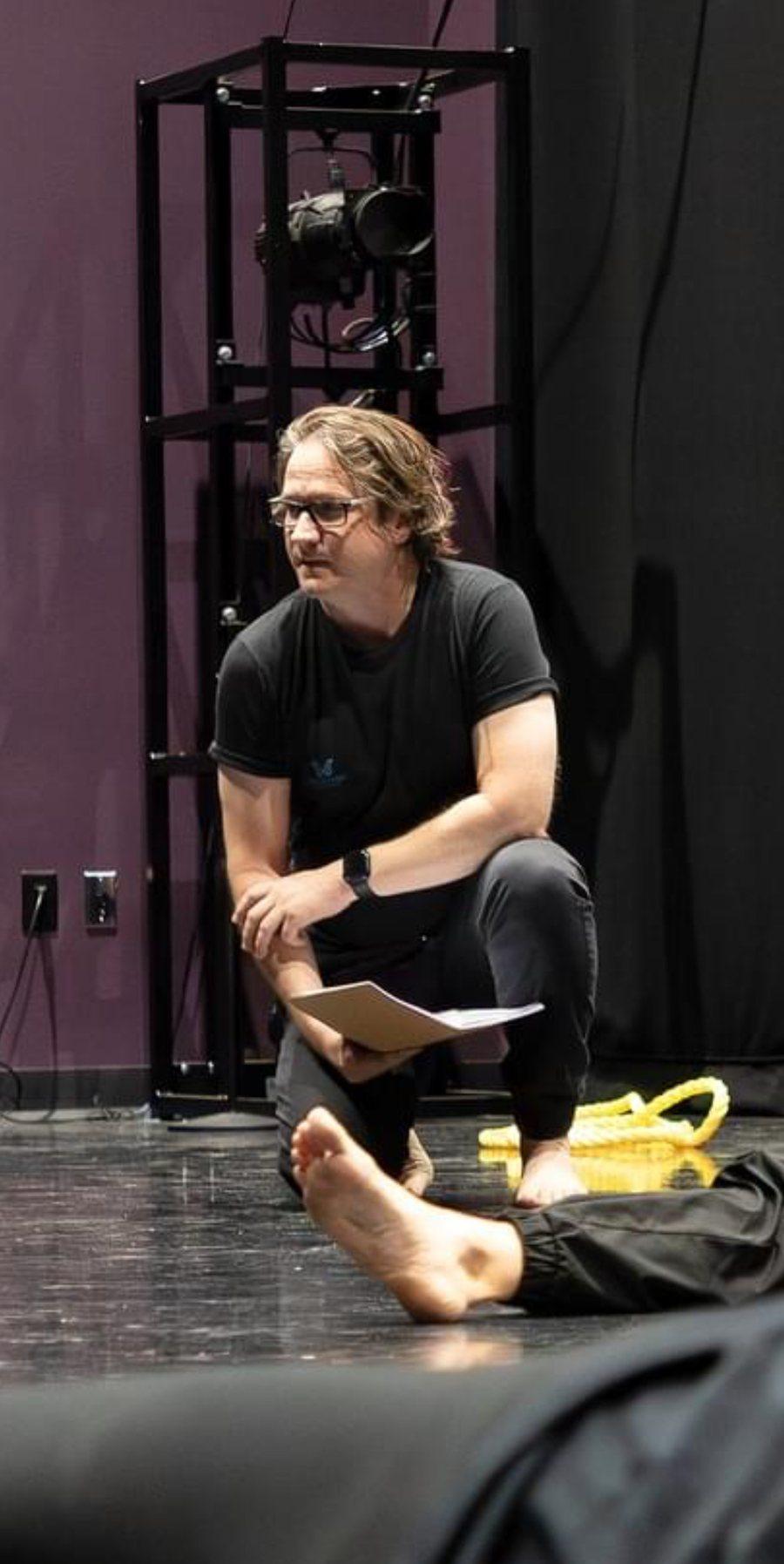
Josh Pohja kneeling with script in hand during rehearsal

Josh Pohja, Director of Education

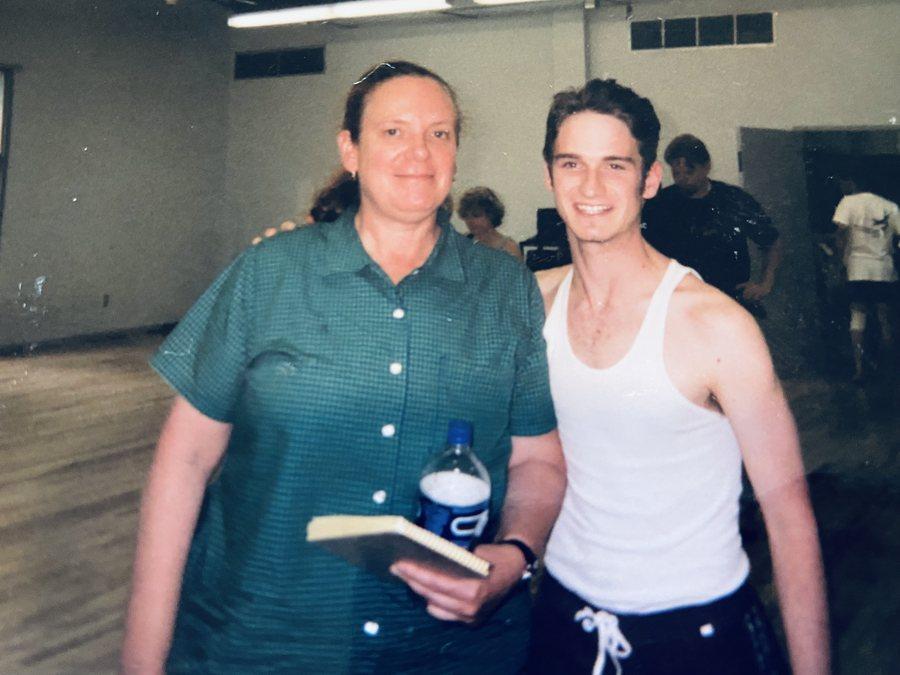
Josh Pohja and Anne Bogart training together, 1998

Josh Pohja & Anne Bogart, 1998, Saratoga Springs, NY · SITI Company

About your instructor

Trained in the lineage. Teaching what it demands.

Josh Pohja is Executive Artistic Producer and Director of Education at Wisconsin Classic Stage, where he leads the Actor’s Studio and its ensemble training. His own training runs directly through the source: a graduate of Carnegie Mellon University’s School of Drama (Class of ’99), he has worked as a professional actor at theaters including The Guthrie Theater, Milwaukee Chamber Theatre, Alley Theatre, the New York Fringe Festival, and The Acting Company, and trained alongside Anne Bogart and the SITI Company, immersed in Viewpoints and Suzuki training in Saratoga Springs.

That lineage is what he brings into the room every Saturday morning, training that treats the actor’s instrument as something built over time, in the company of other committed artists, and passed forward hand to hand.

Where & what to expect

Come as you are, ready to work

Location

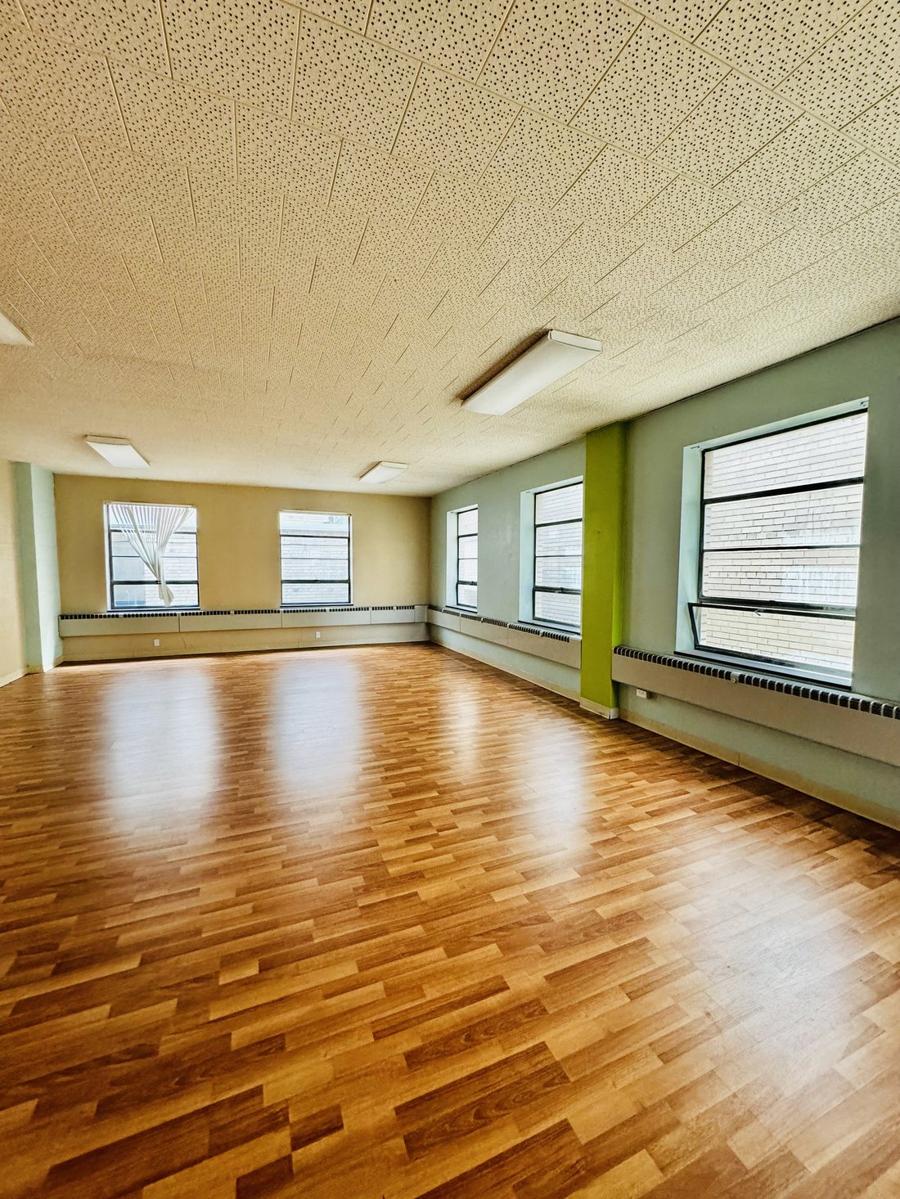
WCS Actor’s Studio
Calvary Presbyterian Church
628 N. 10th St., Milwaukee, WI 53233

Get directions →

What to bring

Comfortable clothing you can move freely in, bare or sock feet for floor work, and a water bottle. Come ready to work with your whole instrument.

Who it’s for

All levels of ensemble experience are welcome. The work is rigorous and built for joy, and space in each session is limited, so reserve ahead.

Access & education fund

Training should never be out of reach.

Our suggested fees and course costs cover the room, the instructors, and the craft, but they’re never meant to be the reason someone stays outside the door. If you’re able, a gift to our education fund helps us hold scholarship spots for actors who want this training and can’t yet afford it. If you’re the one who needs that seat, reach out. We mean it when we say all are welcome to train.

Support the Education Fund Questions, or need a scholarship spot? Email education@wisconsinclassicstage.com
Completed in 2026

Classes we finished this year

Thank you to every actor who trained with us this season. These classes have wrapped for 2026, and we can’t wait to bring this work back into the room. There’s more to come in 2027.

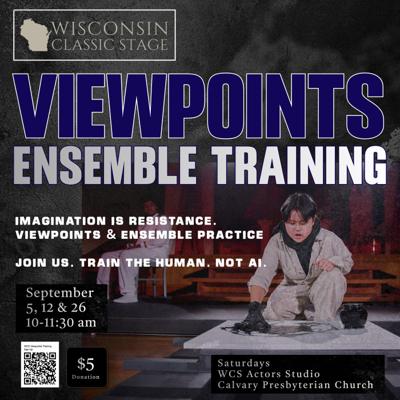
Viewpoints Ensemble Training flyer
Completed · September 2026

Viewpoints Ensemble Training

Saturdays · Sept 5, 12 & 26

Our flagship ensemble practice: a three‑session laboratory in Space, Shape, Time, Emotion, Movement and Story, physically rigorous and full of embodied joy.

Led by Josh Pohja

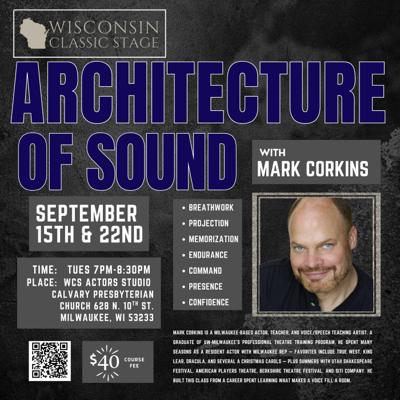
Architecture of Sound flyer
Completed · September 2026

Architecture of Sound

Tuesdays · Sept 15 & 22

A two‑week voice intensive in breathwork, projection, endurance and command, built from a career spent learning what makes a voice fill a room.

Taught by Mark Corkins