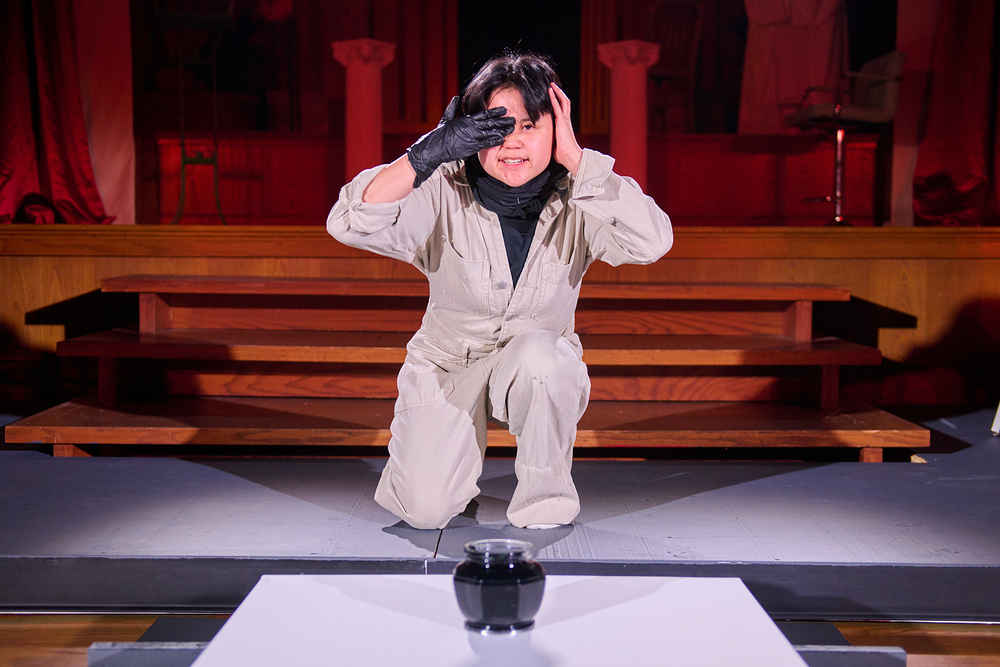
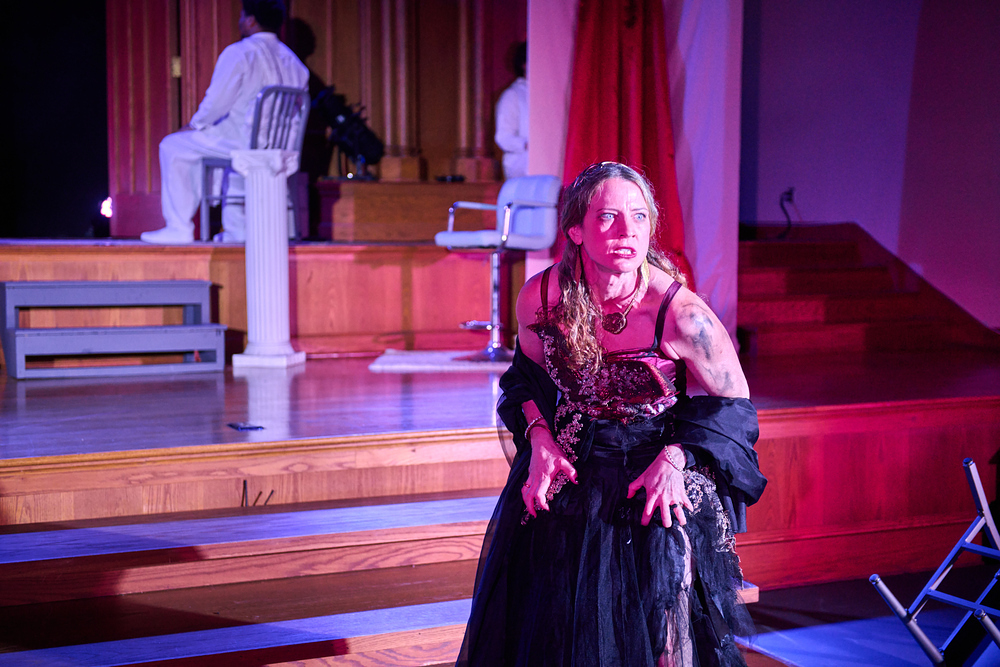
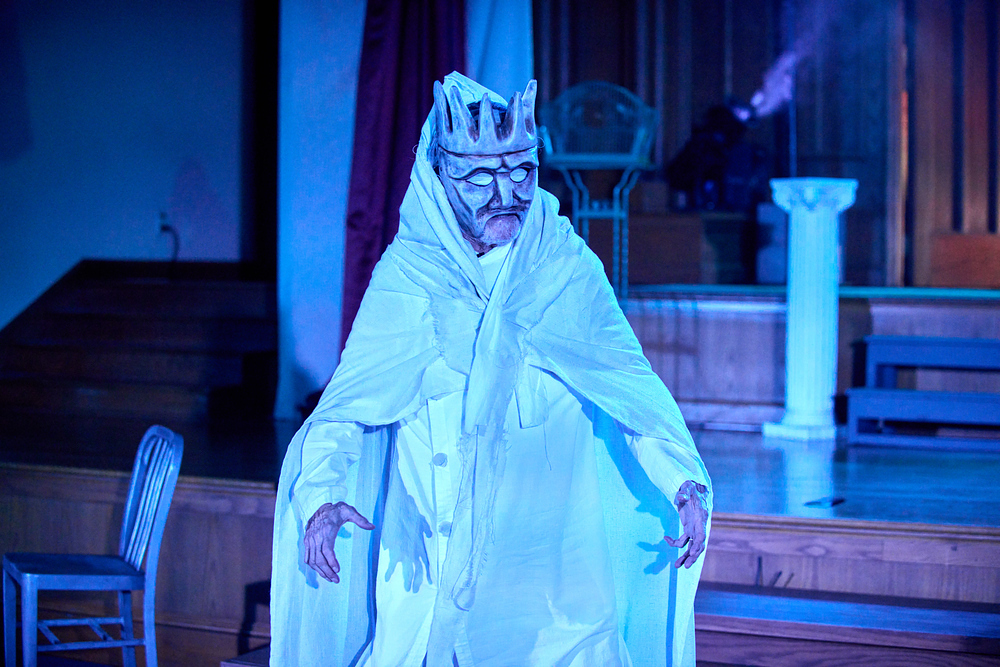
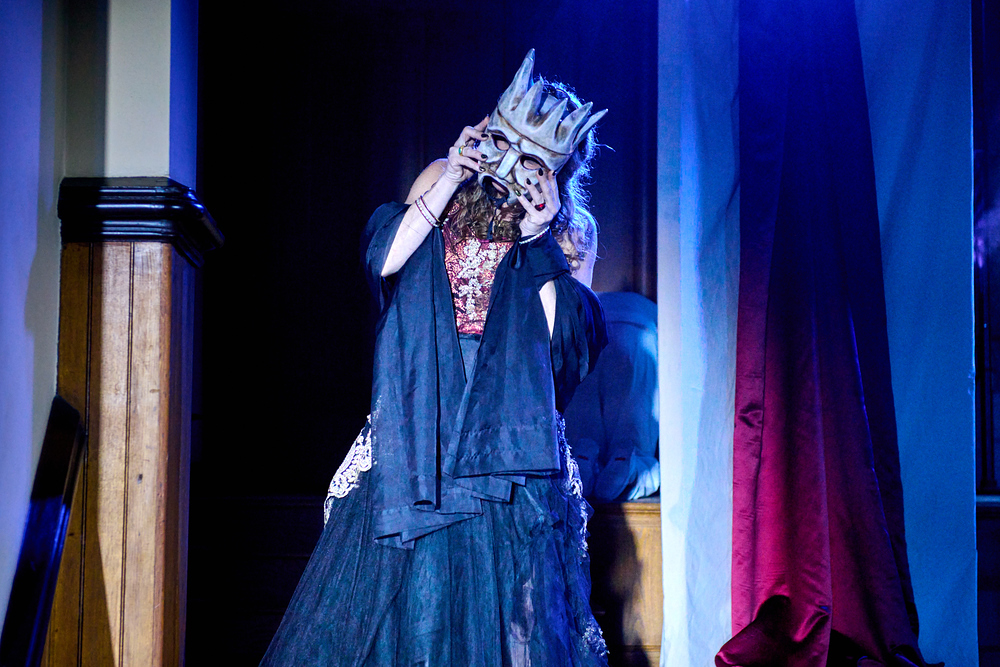
Thirty three years ago I sat in a theater as Peter Sellars unleashed The Persians at the Mark Taper Forum. It was the dawn of the Gulf War and the room itself seemed to be at war. The sound effects of the bombs was so deep and merciless it rattled the audience. Patrons clutched their seat, and frantically turned down hearing aids. Some yelled at the actors and fled. Others shouted for mercy. And there was Sellars off in the shadows eyes blazing motioning the sound designer to push it even louder. It was glorious chaos.
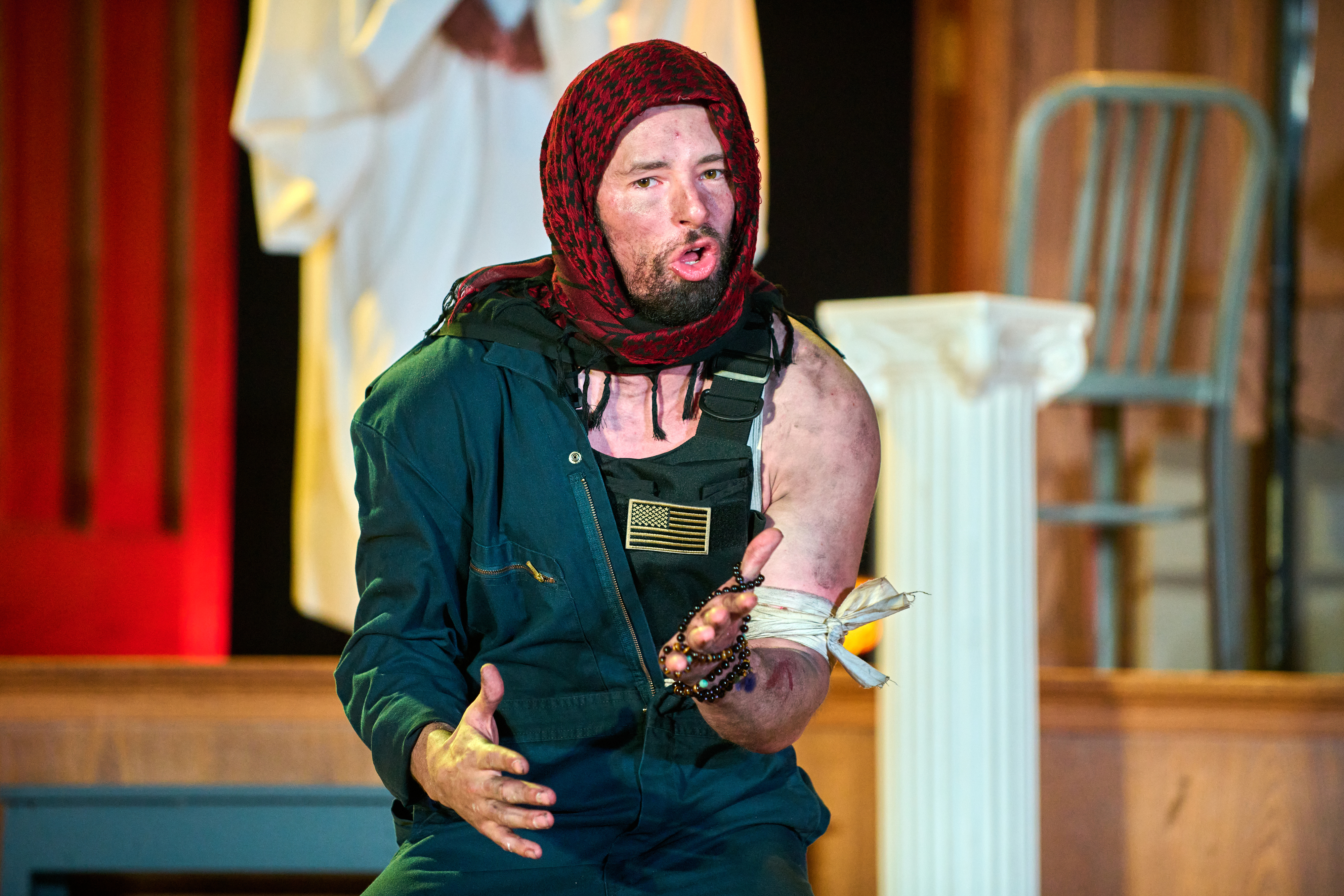
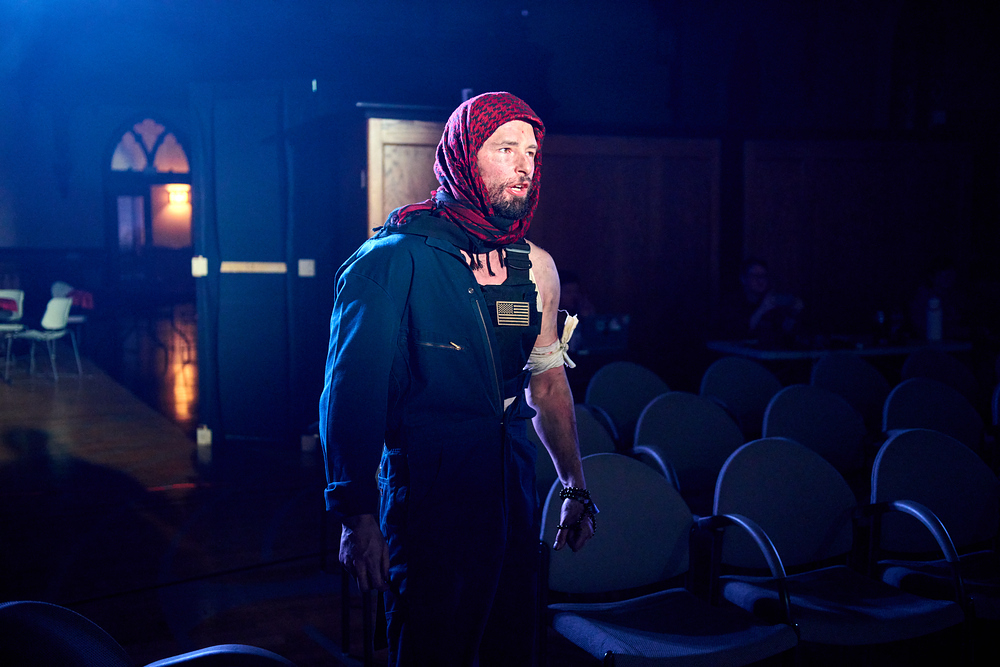
Then Xerxes entered.
And in a single breath the storm surrendered to devastating clarity. Robert Auletta's lean muscular text cut through the noise like a blade. Suddenly we were inside a family's ruin. The text had done its work. It had shaken us awake. But half the audience had already left the building.
That night burned itself into me.
I made a vow right then. If I ever directed this play I would keep the ferocity. I would keep the urgency that makes your blood jump. But I would never let the audience slip away before the play reveals its true storm. I would carry them all the way to that shattering promised land of Xerxes entrance.
I have returned to The Persians many times since. It is quite simply my favorite play. The first spark of Western drama and still one of its most radical acts. On the page almost nothing happens. There are battles. No sword fights. No triumphant Greeks. Just an empire's grief, a mother's dread and a son who returns home stripped of everything. Yet everything happens.
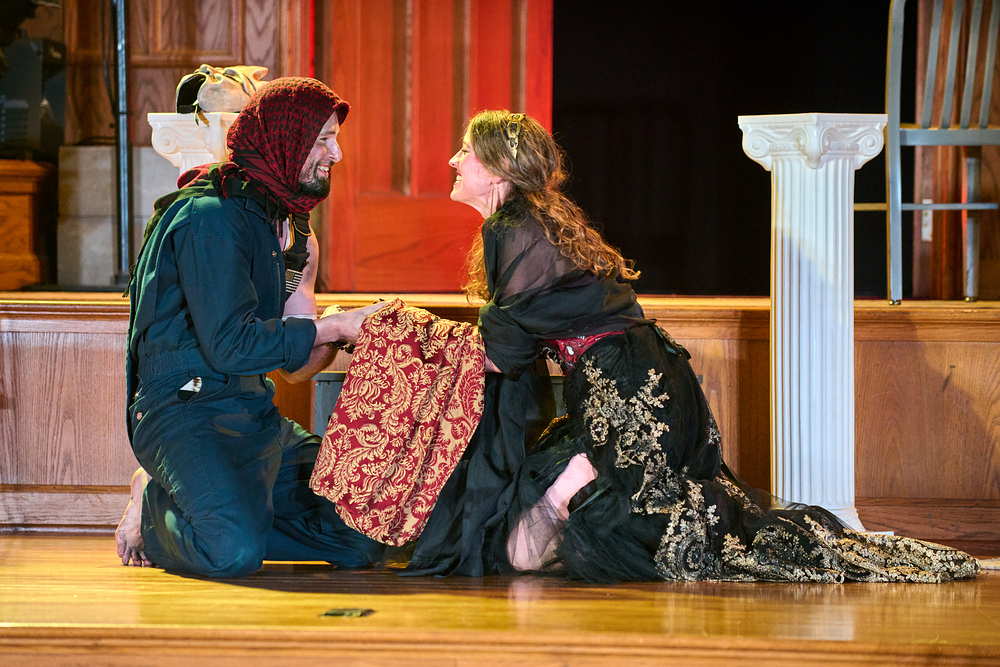
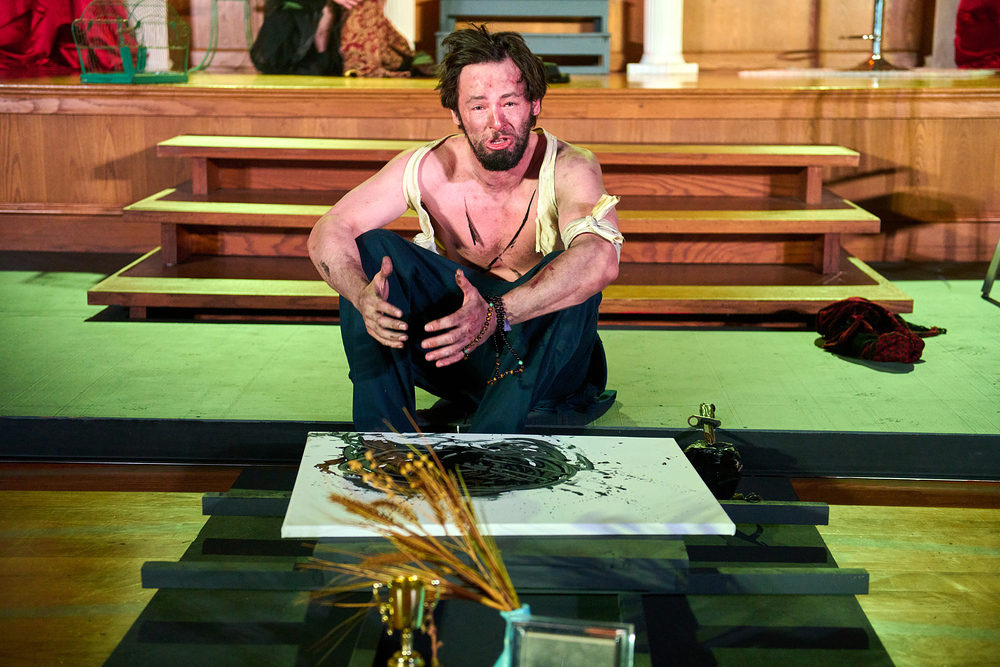
At its core this is not a war story. It is a family story. Xerxes is not some bratty tyrant. He is a young man built by unchecked power flattered into certainty and broken by the harsh reality war. Aeschylus an Athenian writing for Athenians celebrating victory does something astonishing. He hands the stage to the defeated. He lets the Persians speak their pain and confusion with humanity. In the moment of their greatest loss he refuses to dehumanize them.
It would be remiss not to mention the conflict that is occurring in our world right now. Men have never learned the lesson of power and hubris. Nothing has changed in two thousand five hundred years.
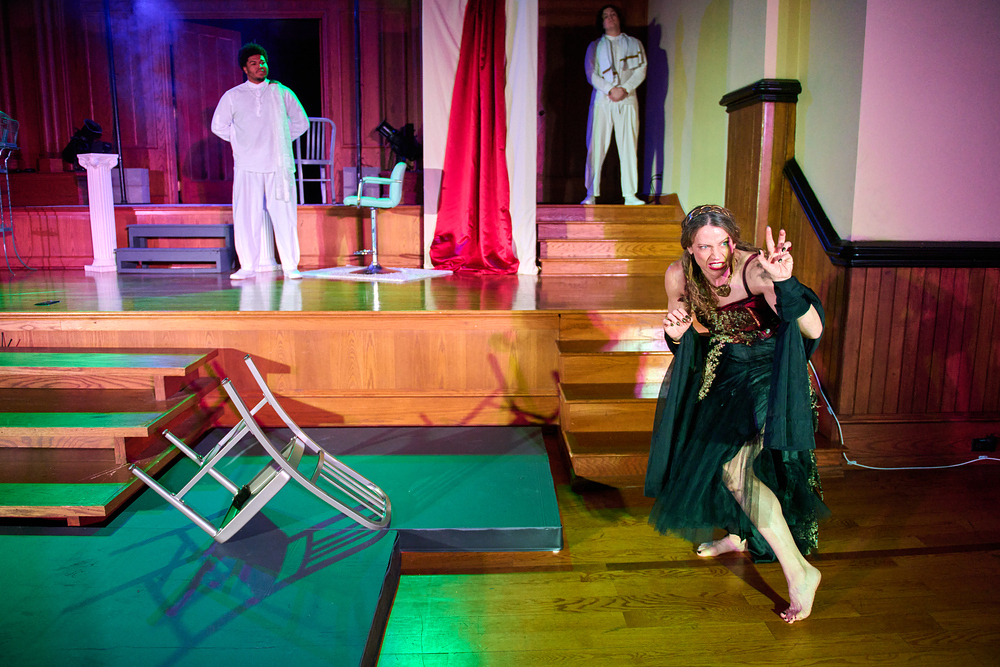
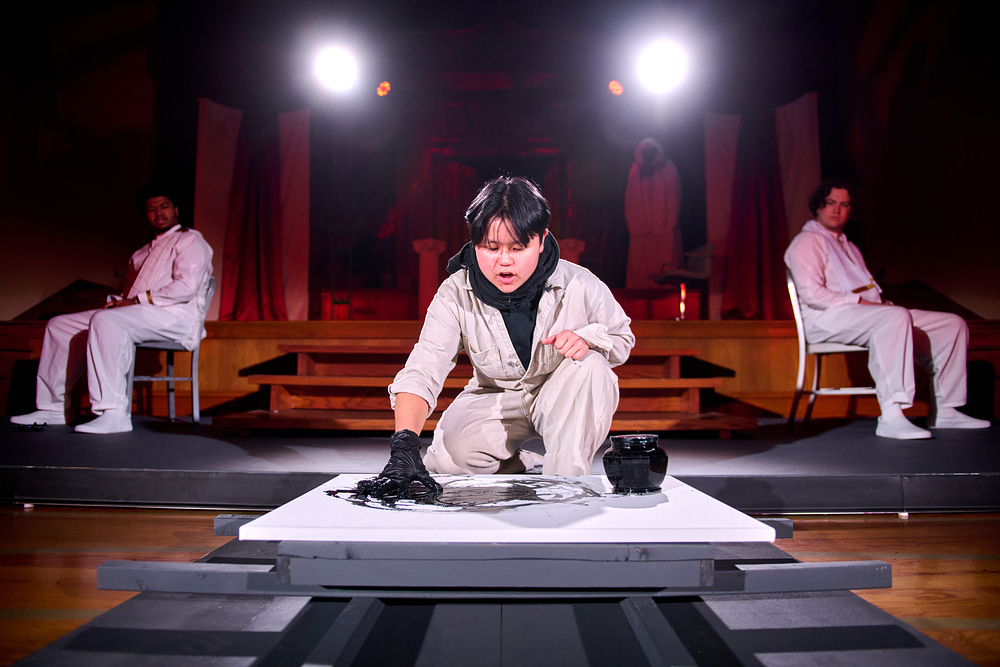
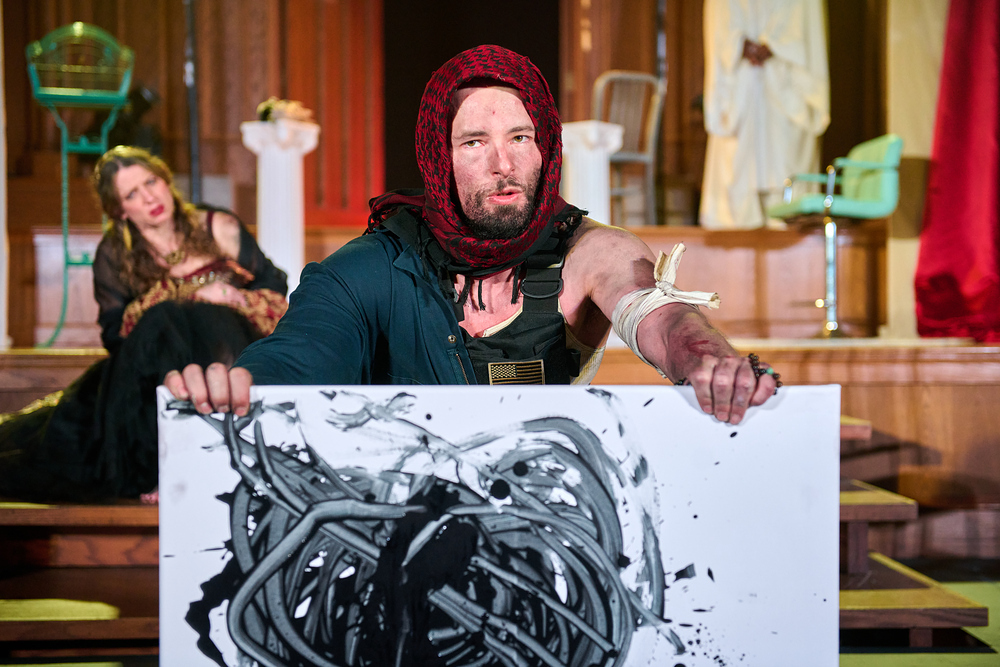
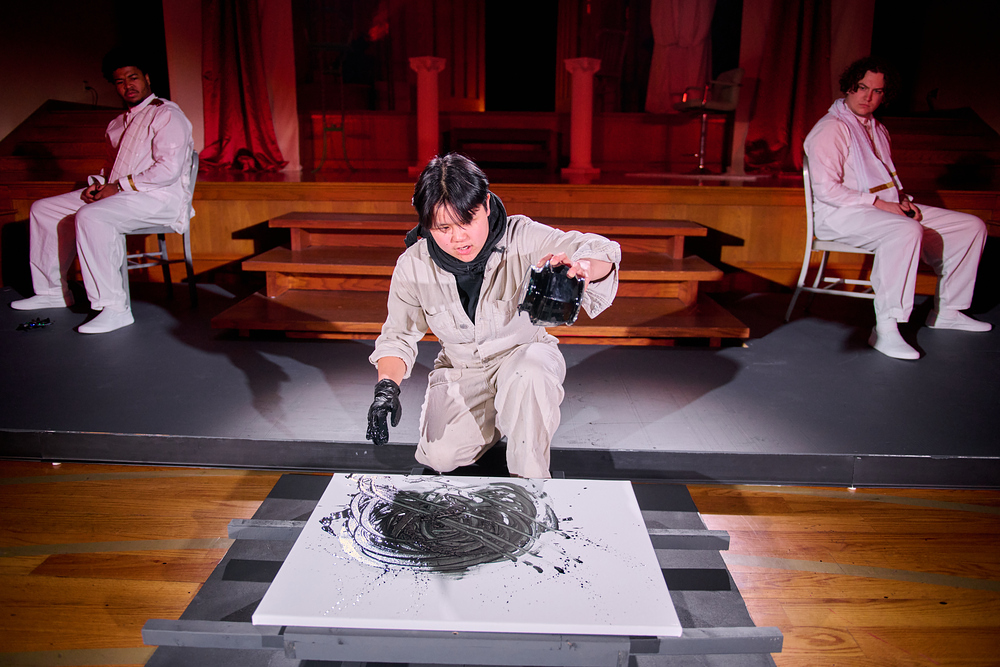
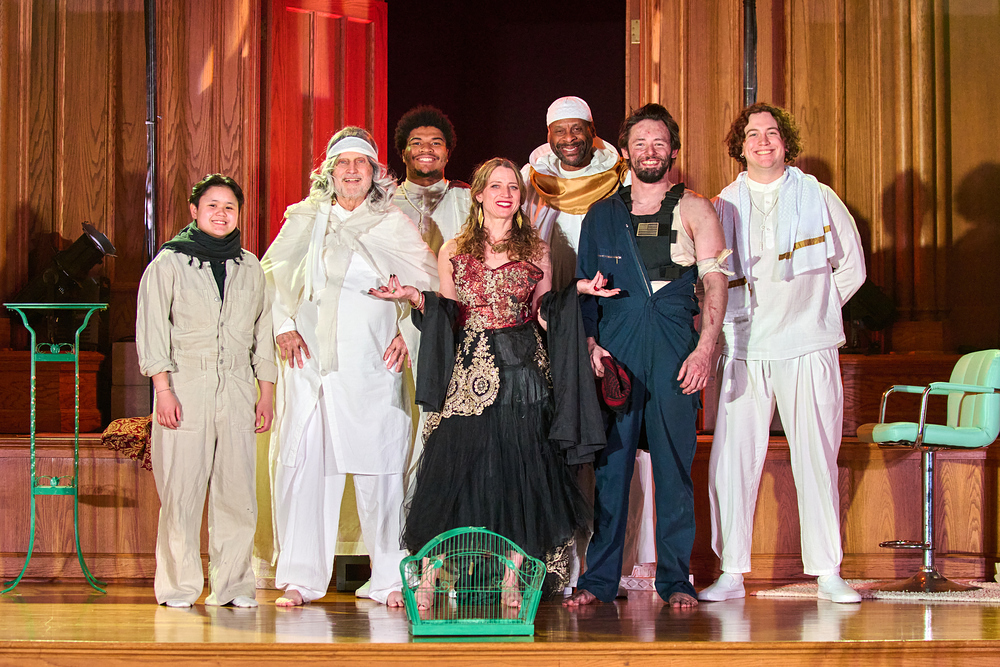
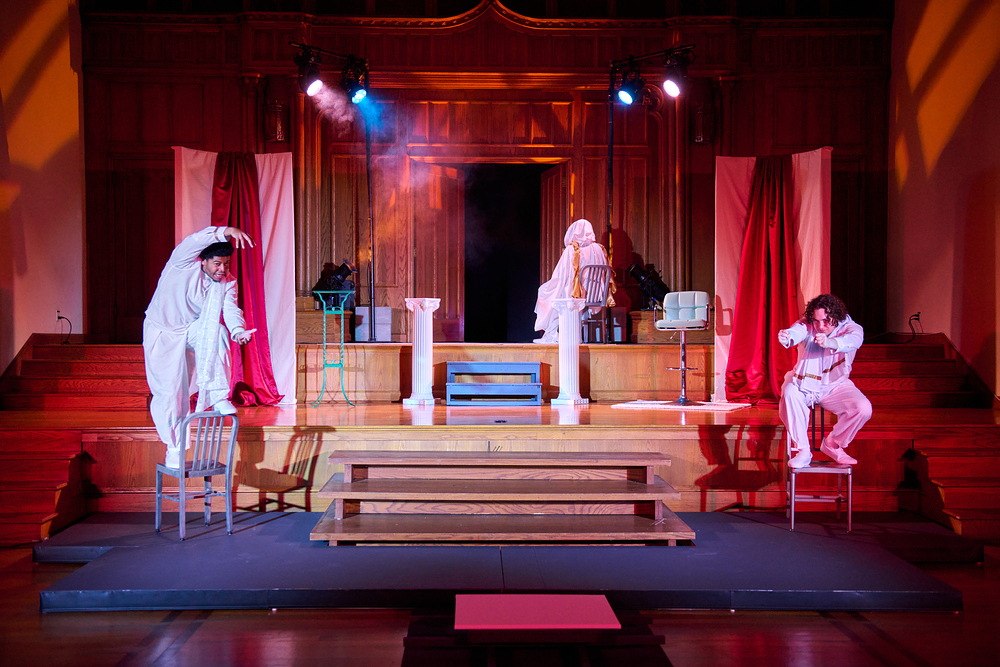
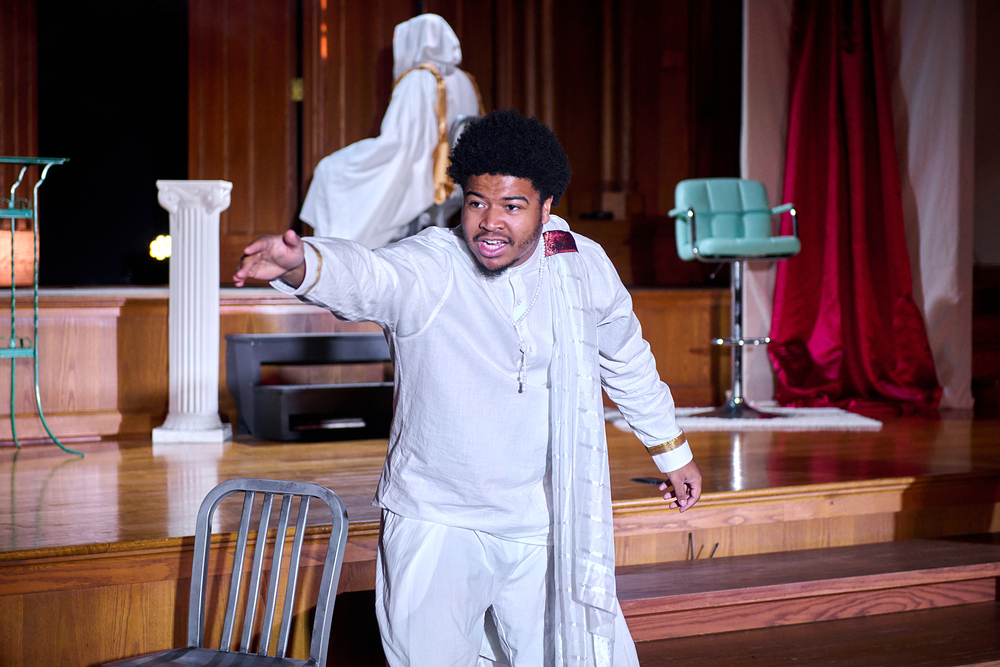
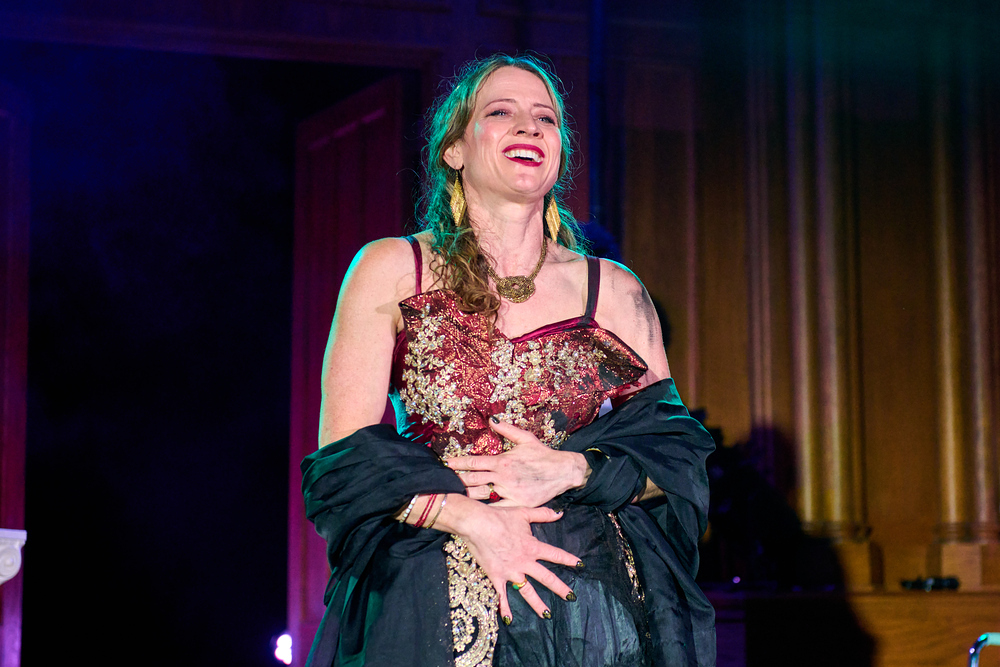
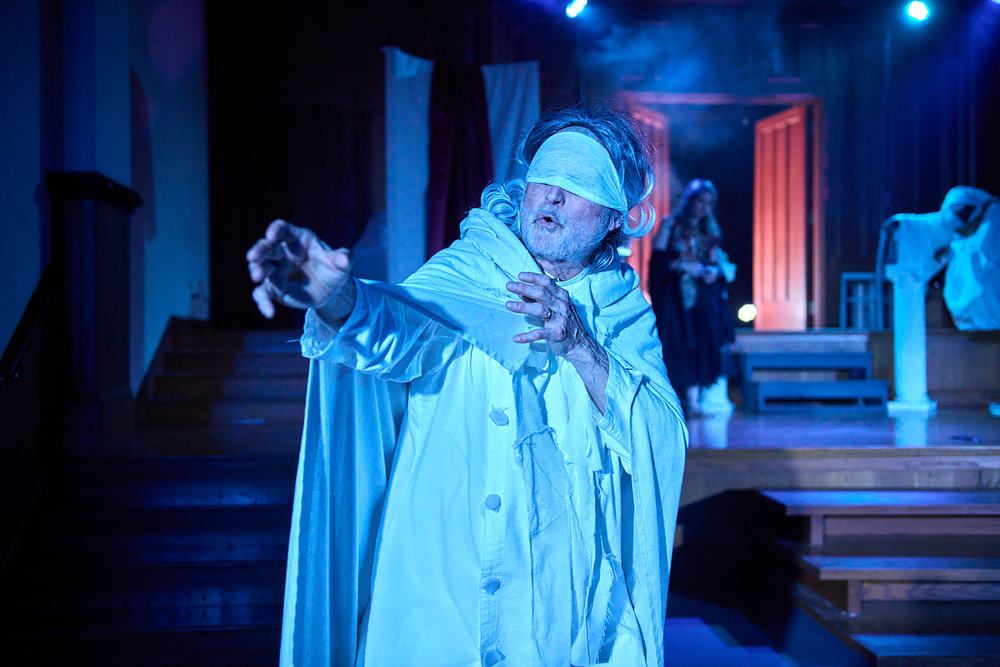
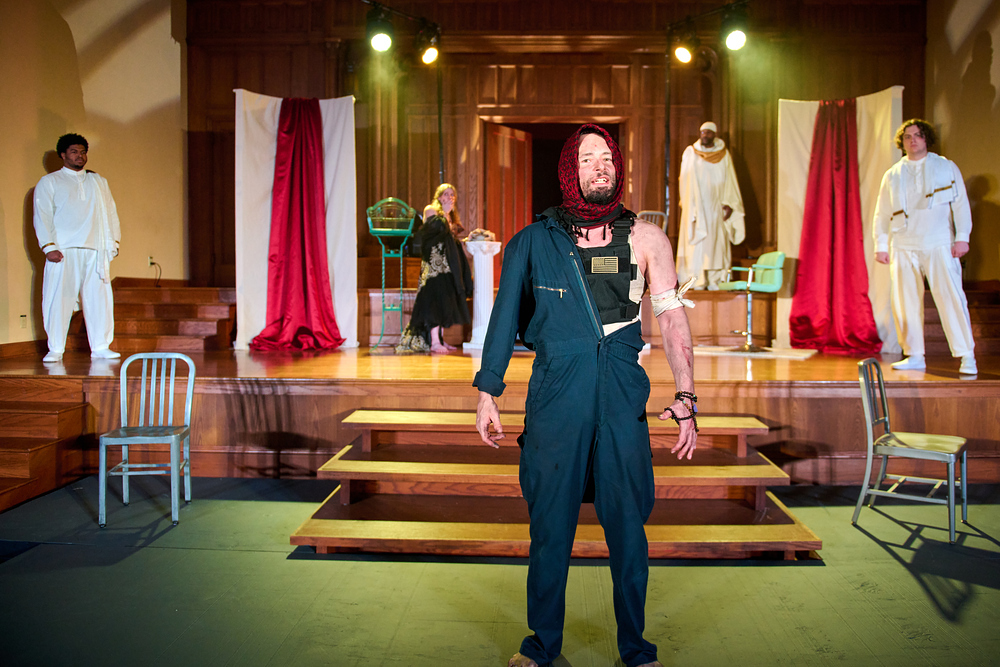
This extraordinary cast and crew have responded with courage and precision. They have built a production that roars but maintains the thread of the human voice. You will feel the weight of empire. You will hear the language with startling clarity. And when Xerxes finally enters you will understand exactly what it costs a man and a nation to chase glory at any price.
So stay with us until the end. Let the performances shake you. This play has been waiting for two thousand five hundred years and for all of us tonight.
Welcome to the dawn of theatre. Welcome to The Persians.